Before choosing a panel brand, choose the type of system. The three options behave very differently when K-Electric's supply goes off, and they cost very different amounts.
On-grid: the lowest cost per unit
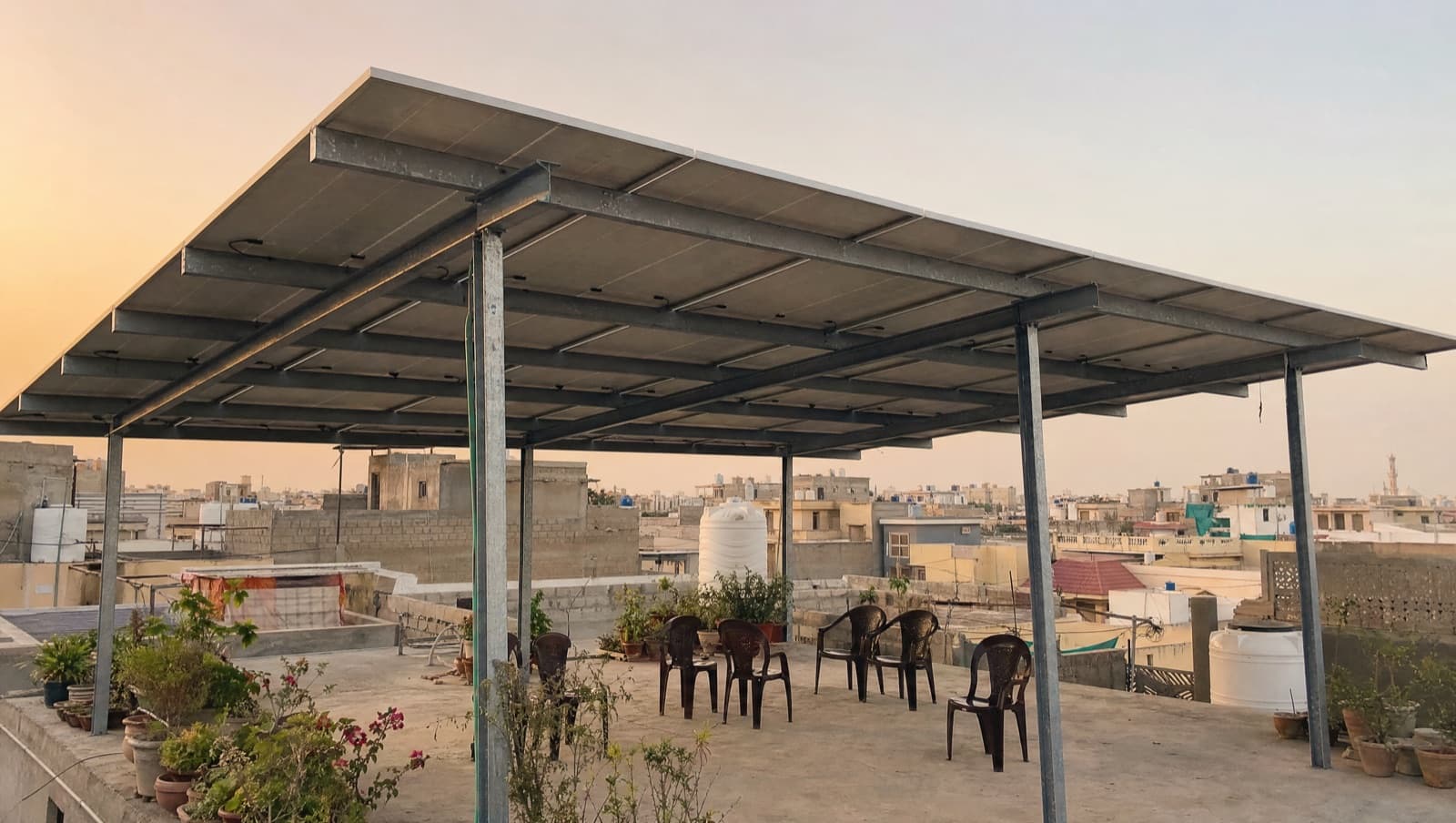
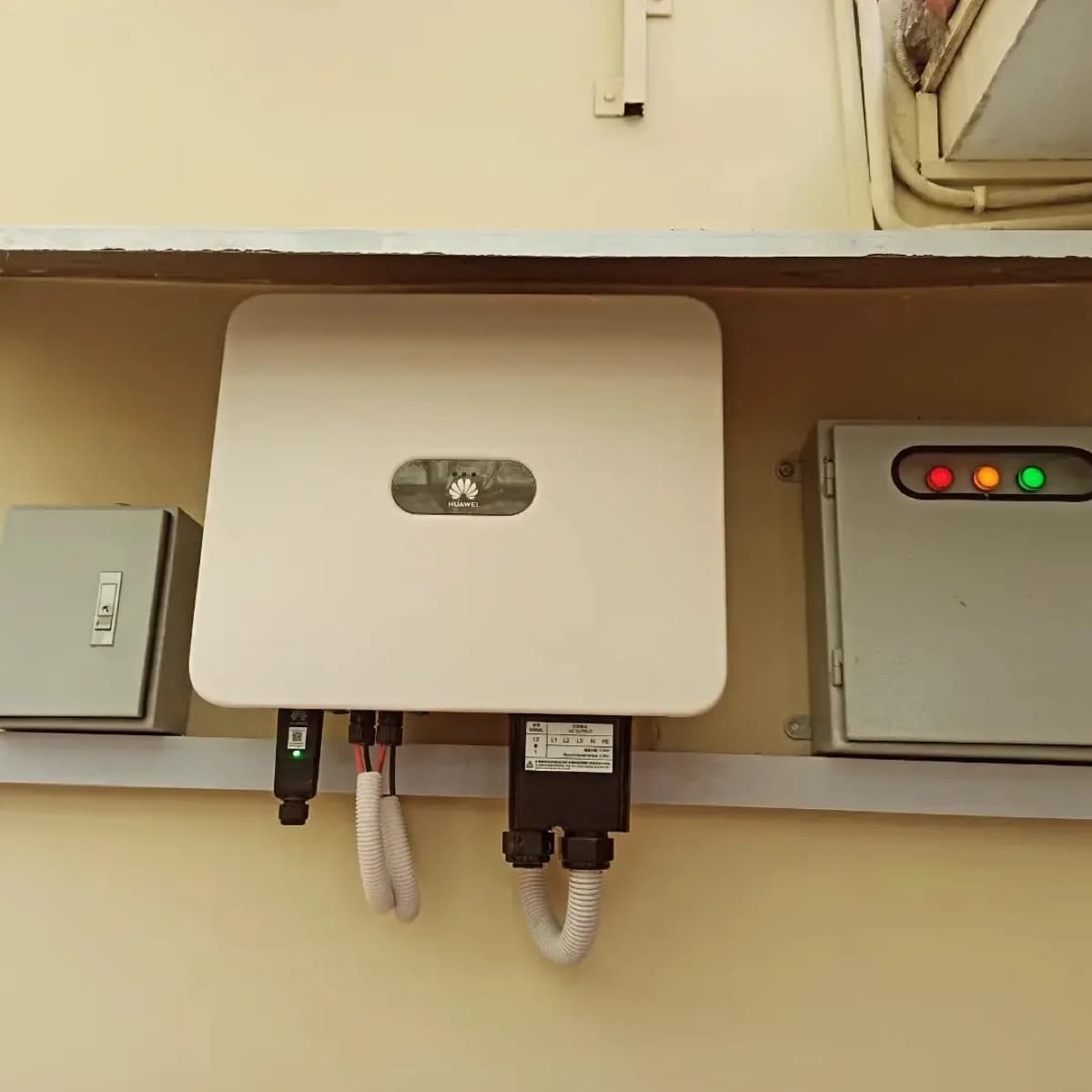
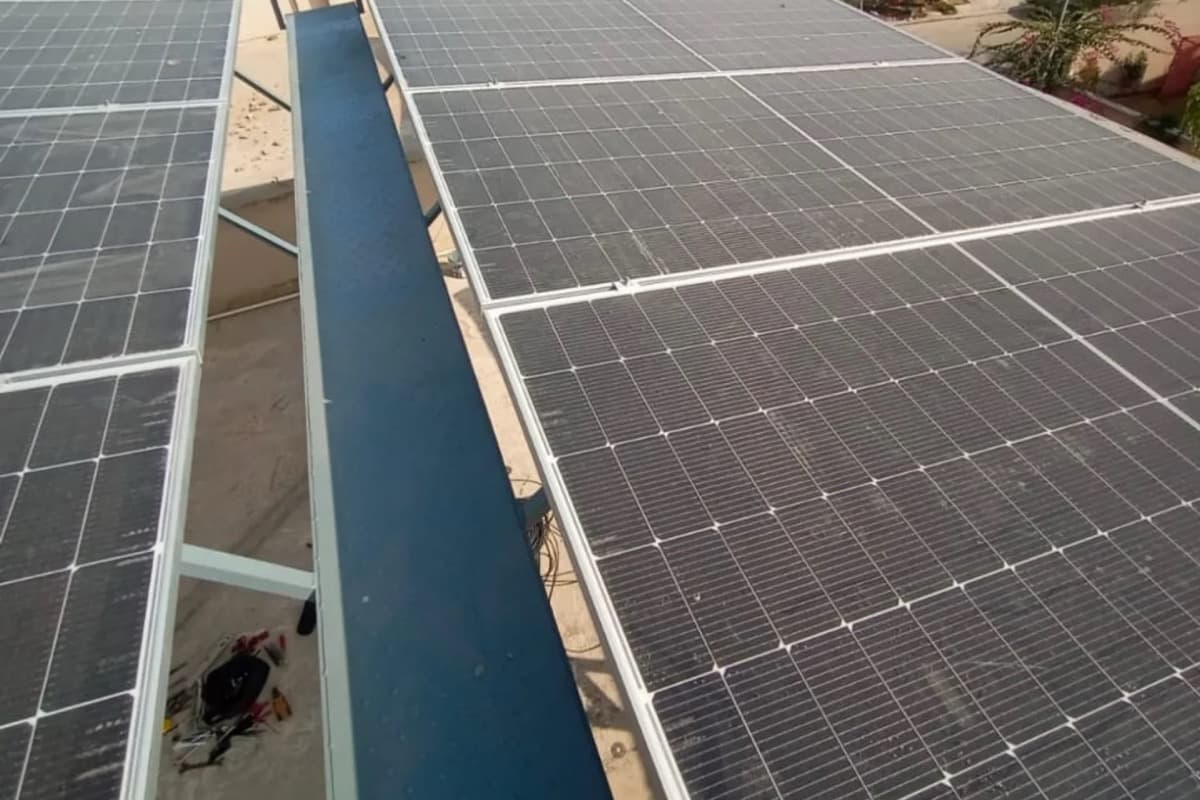
An on-grid system connects your panels to the grid through a grid-tied inverter. During the day the house runs on solar first and draws from the grid only for the rest. There are no batteries, so it is the cheapest way to cut a bill.
- Best when most of your use happens in daylight hours
- Shuts down during load-shedding, as a safety requirement
- Can export surplus units if you have net metering
Hybrid: savings plus backup
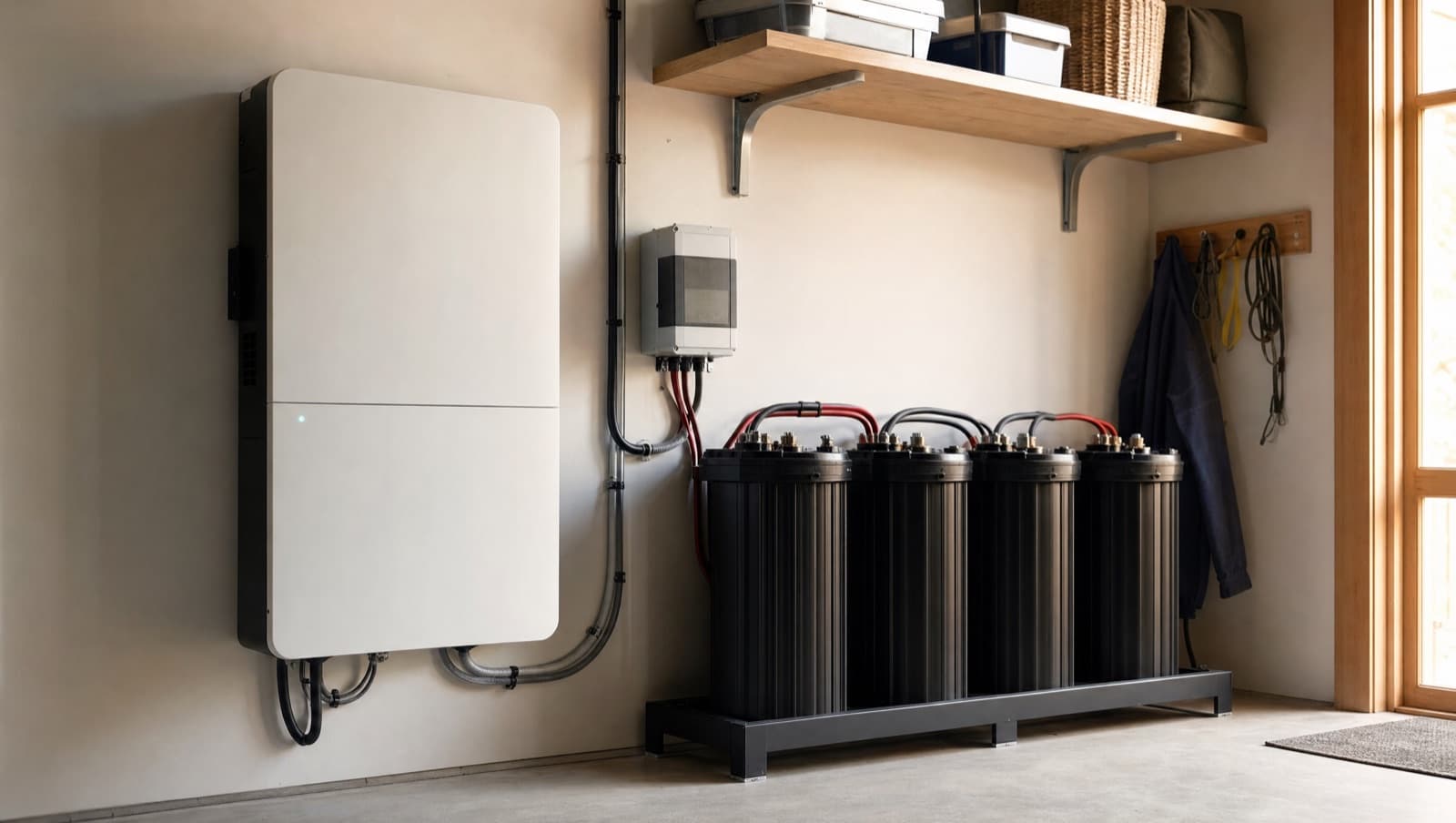
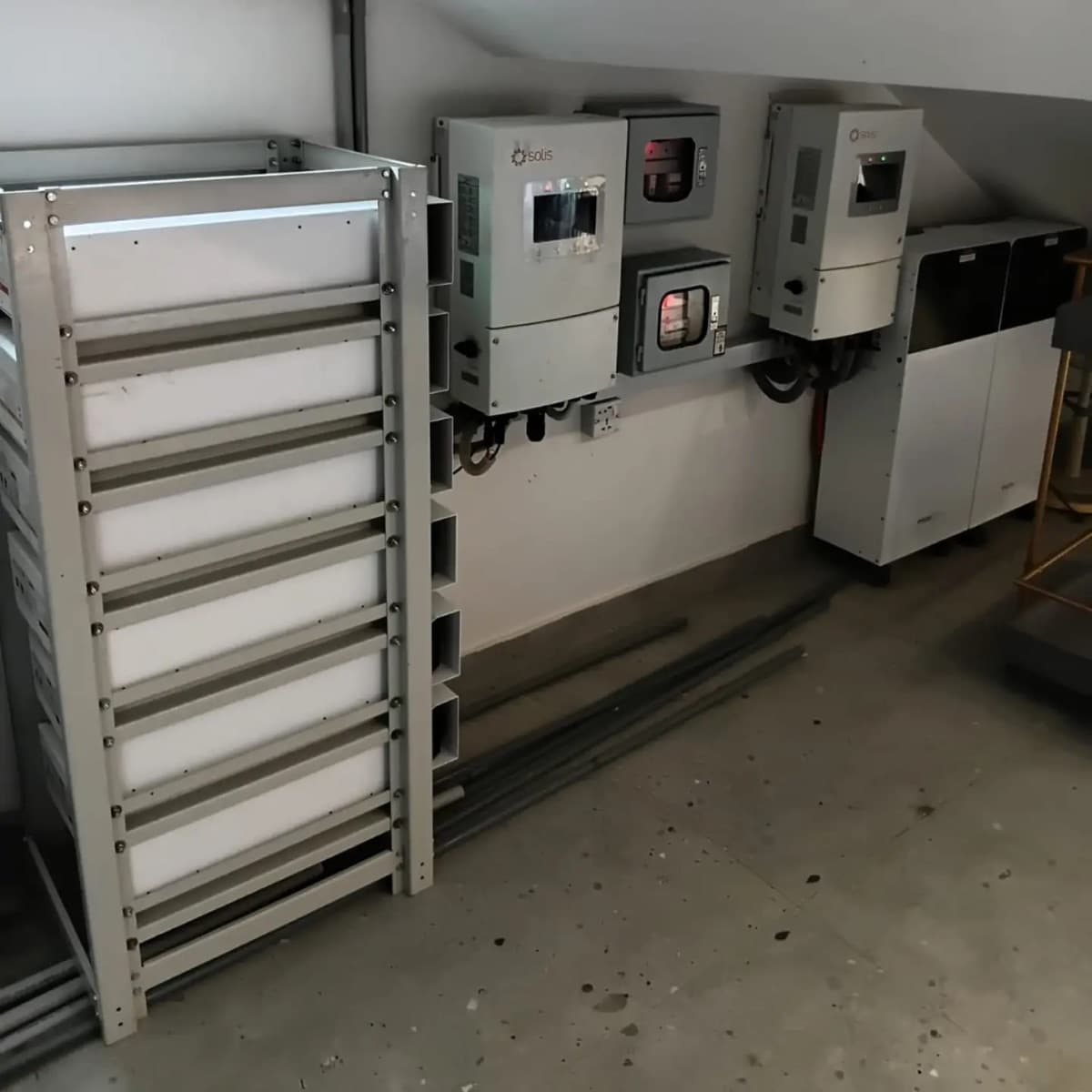
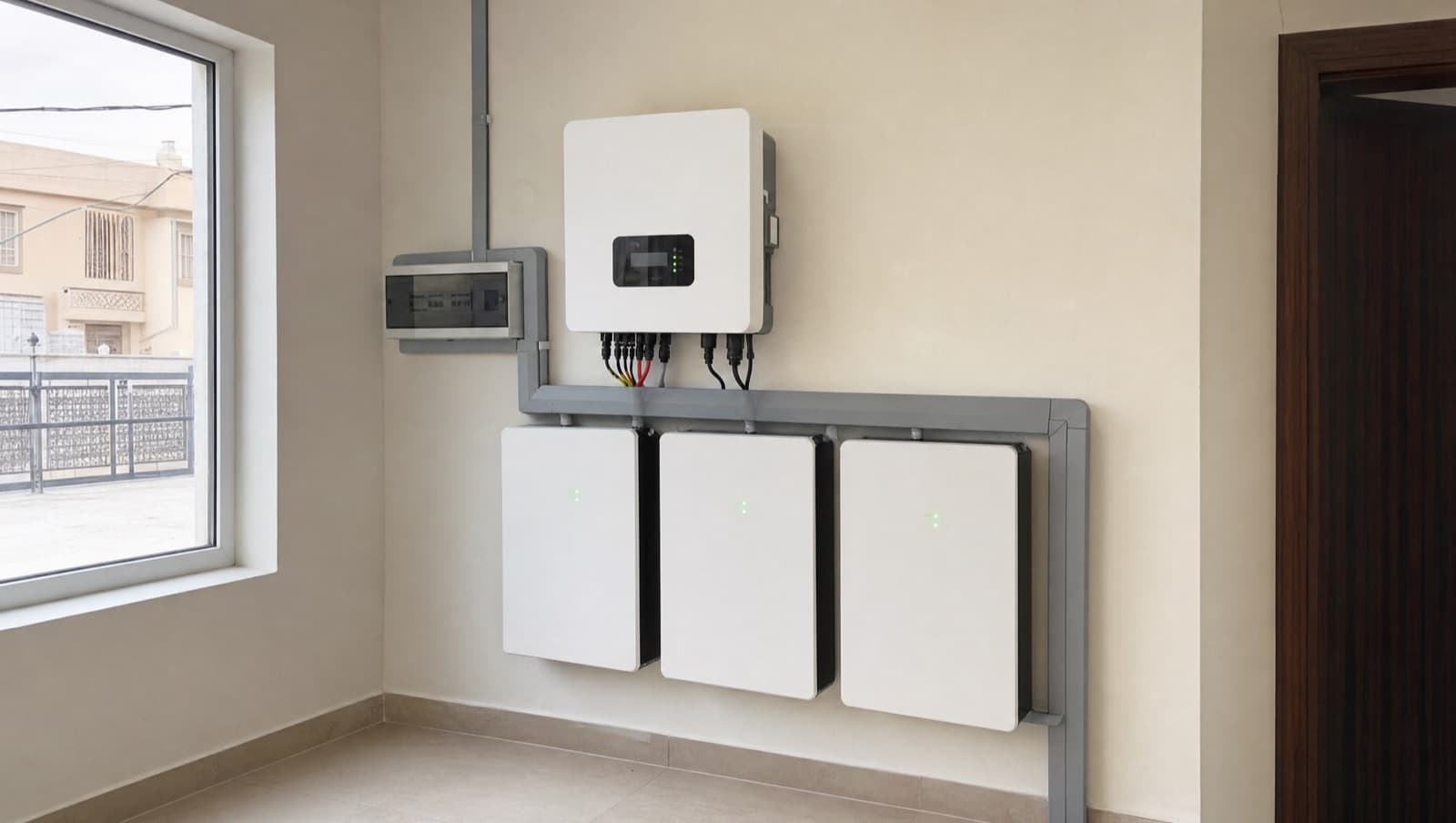
A hybrid system adds a hybrid inverter and batteries. It still uses the grid, but stores solar energy for the evening and keeps chosen loads running through outages, much like a UPS that charges itself from the sun.
- Keeps fans, lights, fridge and internet on during load-shedding
- Uses stored solar in the evening, when the grid is often most expensive
- Costs more than on-grid because of the batteries
Off-grid: independent of the grid
An off-grid system runs entirely on panels and batteries, sometimes with a generator as a second backup. It suits farmhouses and sites where the grid is unreliable or absent, but needs a larger battery bank to cover cloudy days and nights.
Most Karachi homes with regular load-shedding choose hybrid. Homes with steady supply and high daytime use often choose on-grid.
How to choose
- Cutting the bill is the only goal: on-grid
- You also want power during outages: hybrid
- There is no reliable grid connection: off-grid