The right solar system size starts with one document you already have: your electricity bill. Size from what you actually use, not from a package someone wants to sell, and the system pays for itself faster.
Step 1: find your monthly units
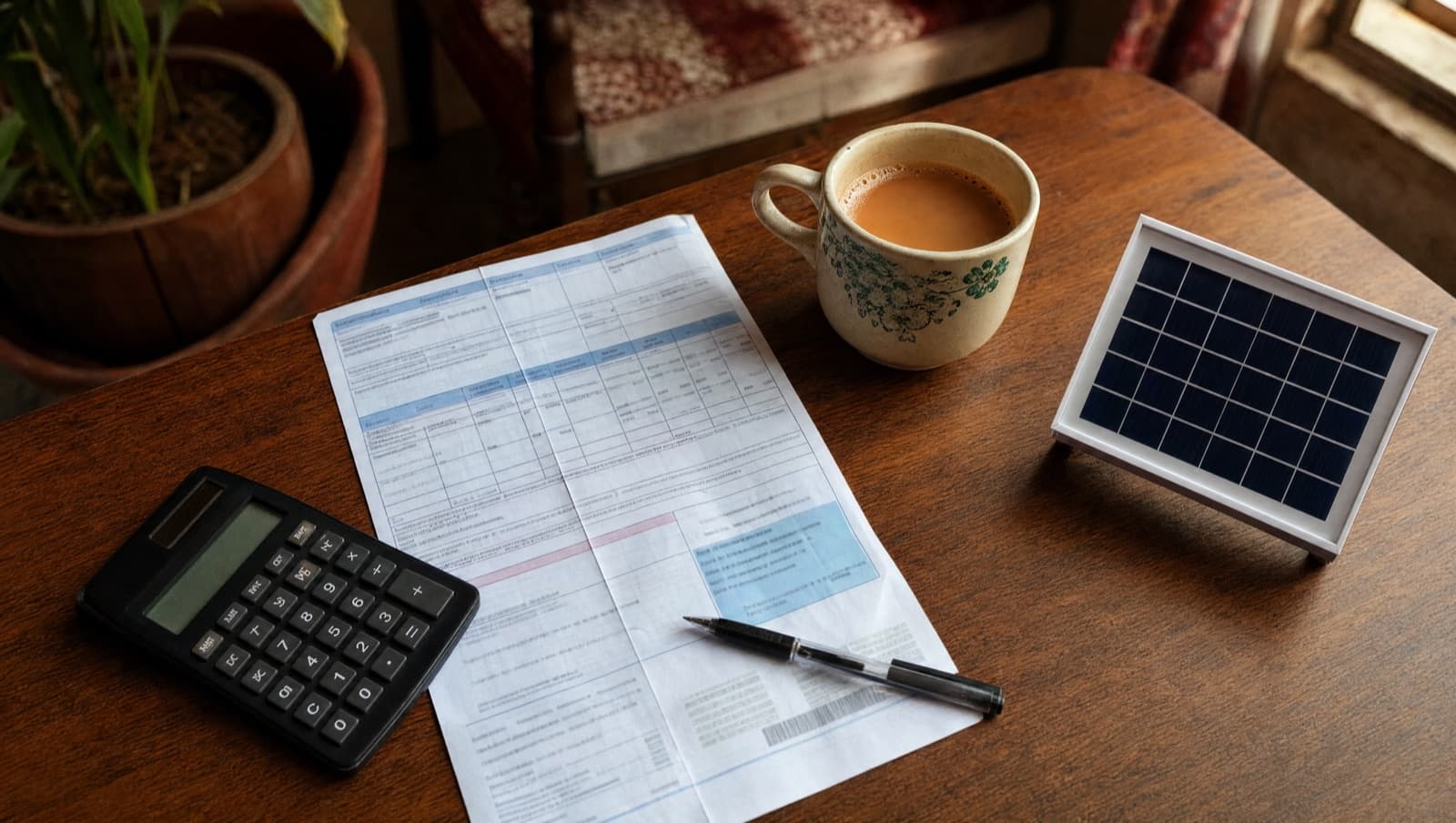
Your K-Electric bill shows the units (kWh) you used each month, usually with a 12-month history. Take an average across the year, because Karachi summers use far more power than winters. If you only know the amount you paid, divide the bill by your cost per unit to estimate the units.
Step 2: turn units into kilowatts
In Karachi, each kilowatt of well-installed panels produces roughly 130 units a month after normal system losses. Divide the units you want to cover by 130 to get the system size in kilowatts.
- 600 units a month ÷ 130 ≈ 4.6 kW, so a 5 kW system
- 1,000 units a month ÷ 130 ≈ 7.7 kW, so an 8 kW system
- 2,500 units a month ÷ 130 ≈ 19 kW, so a 20 kW system
Step 3: count panels and roof space
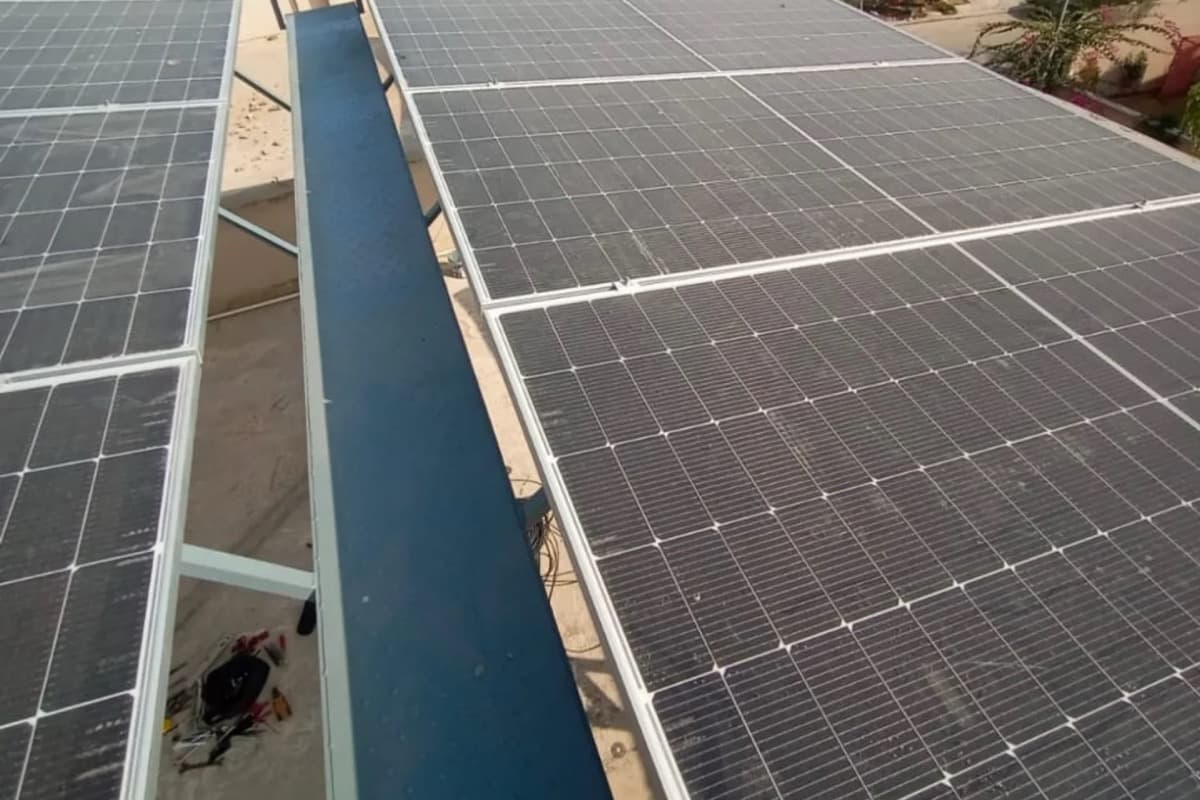
With 600 W panels, a 5 kW system needs about 9 panels. Allow roughly 65 sq ft of shade-free roof per kilowatt, so 5 kW needs around 325 sq ft. Water tanks, stair towers and parapet walls cast shadows, so the usable area is often smaller than the roof itself.
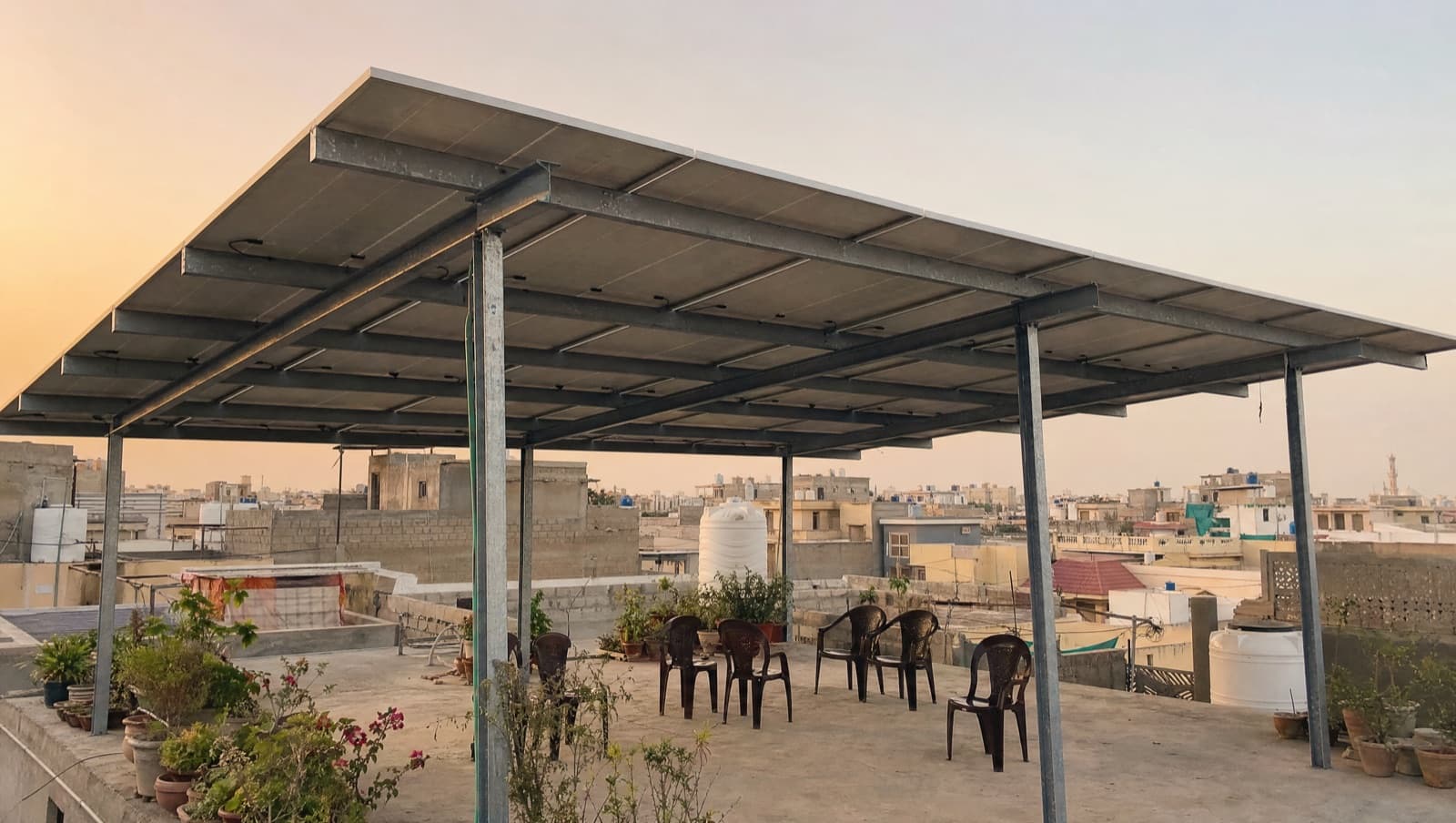
Short on roof space? An elevated steel structure lets the panels sit above tanks and shade, and keeps the roof usable underneath.
Step 4: decide whether you need batteries
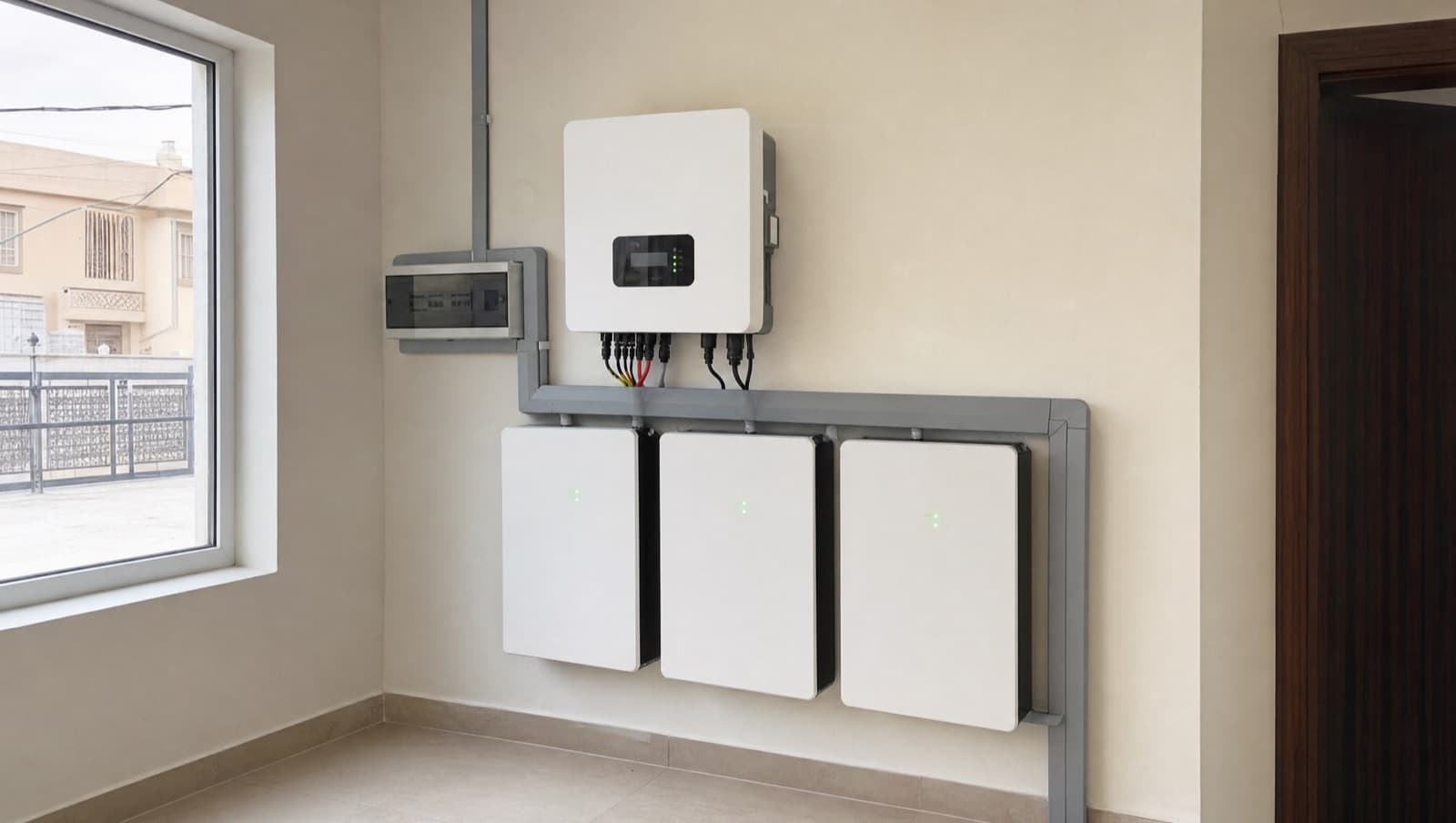
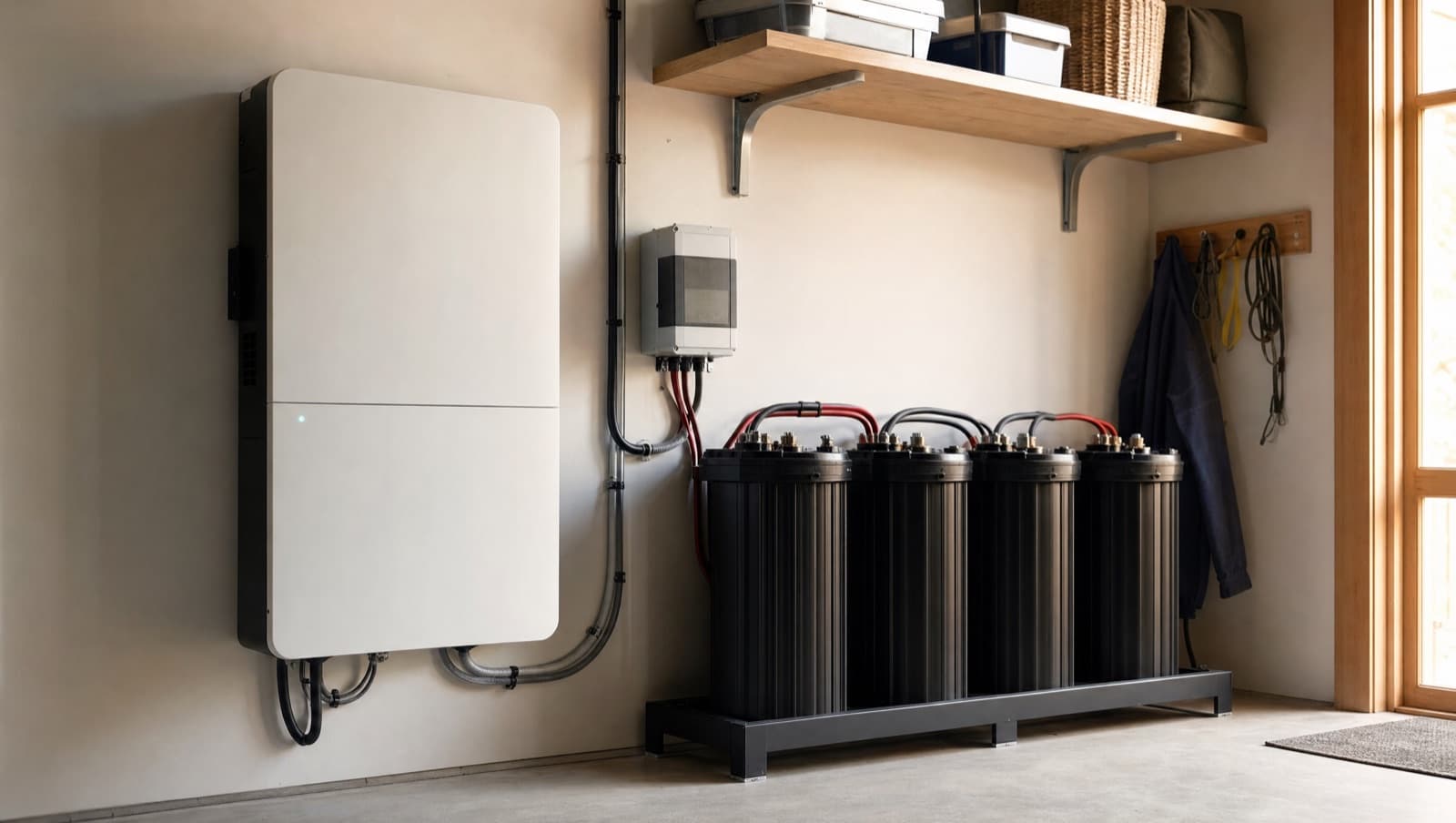
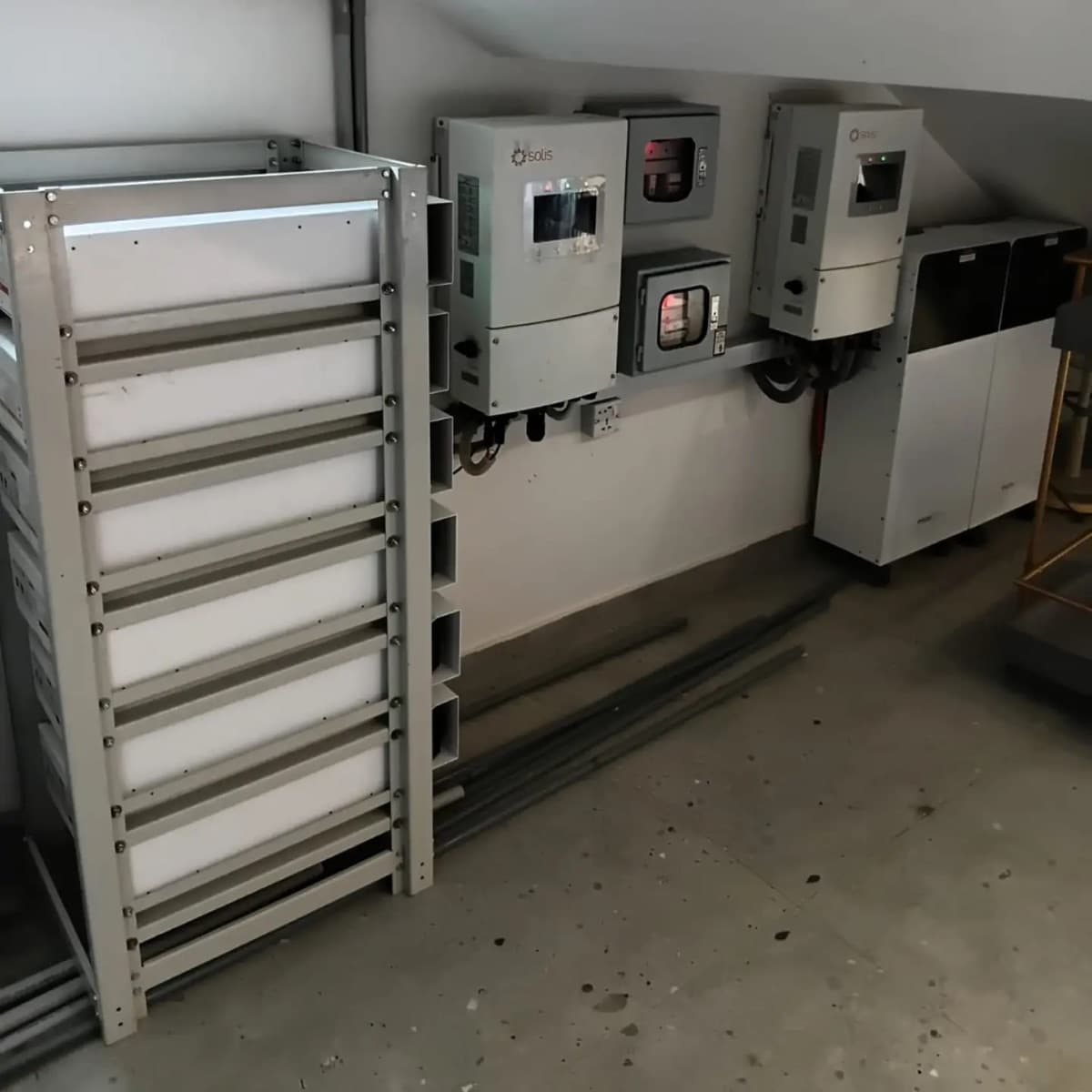
Sizing the panels covers your bill. If you also want power during load-shedding, you need a hybrid or off-grid system with batteries, sized separately to the loads you want to keep running and for how long.
Try the solar savings calculator with your own bill
A calculator gives a good first estimate. A site survey confirms it: we check the roof, shading, wiring and your load pattern before recommending a final size.